THE PROBLEM WITH LIVE-ACTION MANGA ADAPTATIONS

Every manga fan knows that nervous feeling when a live action of their favorite series is announced. And, almost always, that feeling turns into disappointment.
In this article I talk about the mistakes these adaptations keep repeating, the cases that went very wrong and the ones that proved it can be done right.
The most common mistakes
Squeezing the story too much
A manga can run for dozens of volumes. When all of that becomes a two-hour movie, there is little room left for what makes fans fall in love: character development and the details of the world.
Changing the essence to "please everyone"
Many adaptations change the characters’ personalities, the setting or the tone of the story, thinking it will win a bigger audience. The result is usually the opposite: fans do not recognize the work, and newcomers see no reason to watch.
Casting and look
Manga has an exaggerated style, with hair and expressions that work on paper and in anime. Bringing that to real actors takes a lot of care, and casting only for fame rarely works.
Cases that disappointed
Death Note (Netflix, 2017)
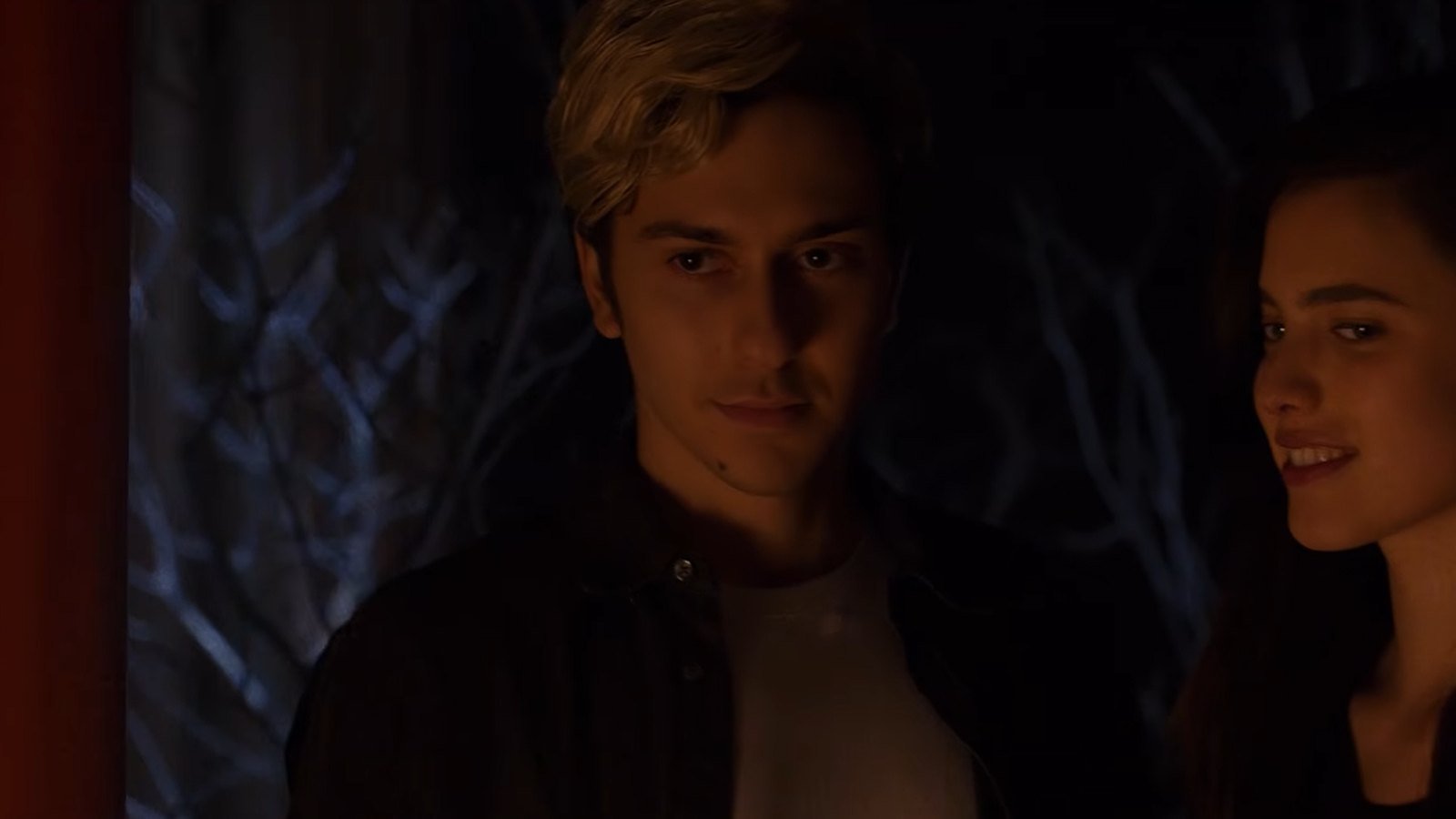
The American movie moved the story to Seattle and turned Light Yagami into Light Turner, an insecure student far from the cold, calculating genius of the manga. Misa became Mia, with a different personality, and the battle of wits between Light and L, the heart of the story, was pushed to the background. The result: a lot of criticism from fans. Interestingly, the 2006 Japanese films were well received precisely because they respected that cat-and-mouse game.
Cowboy Bebop (Netflix, 2021)
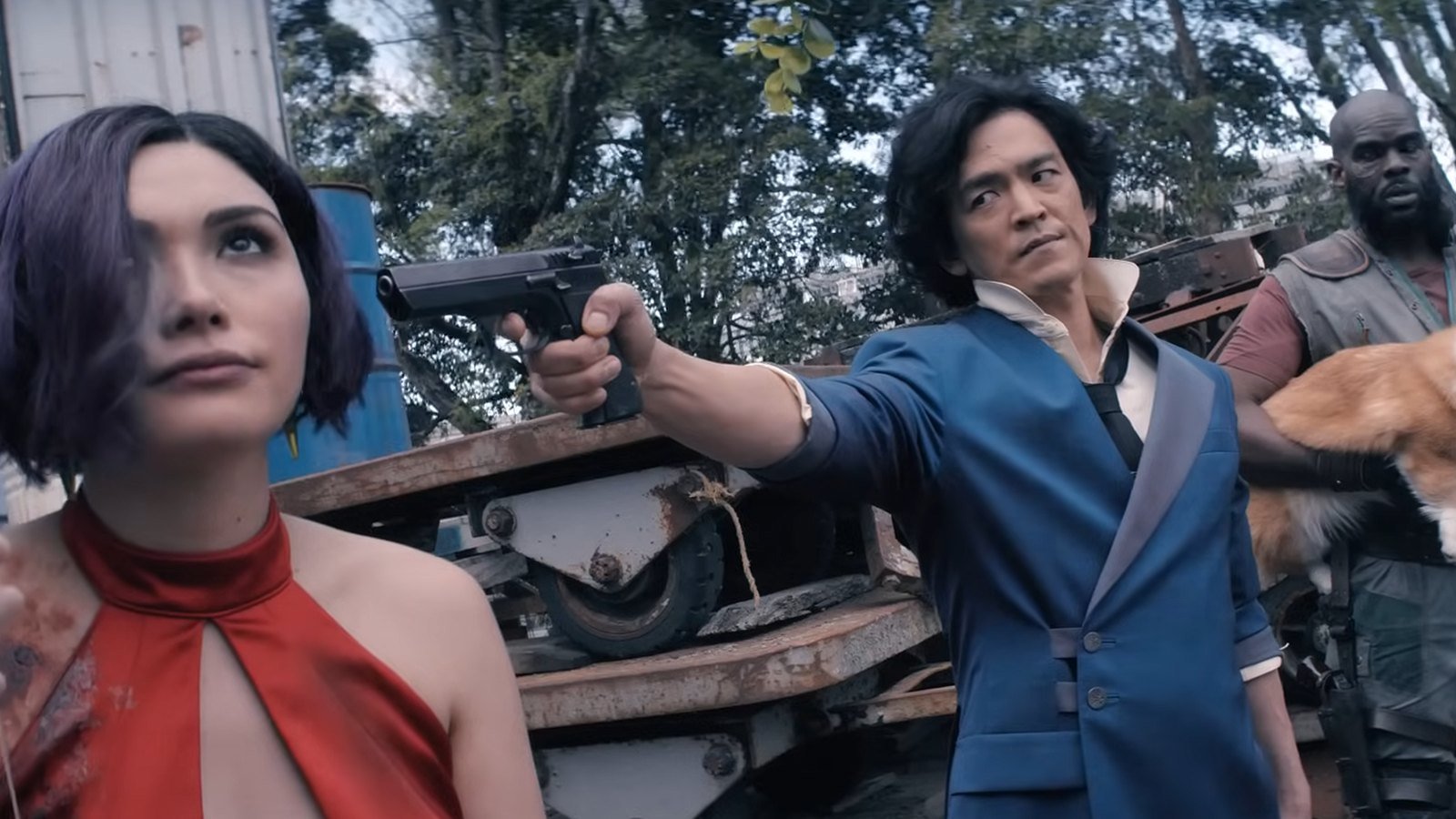
The cast had John Cho as Spike Spiegel and even Yoko Kanno’s music, the same as the anime. Even so, the changes to the tone, to Faye and to Vicious’s story did not convince. The series premiered in November 2021 and was canceled a few weeks later, with no second season.
Other cases
- Dragonball Evolution (2009): still remembered as one of the worst examples. Little was left of the spirit of Dragon Ball.
- Ghost in the Shell (2017): polished visuals, but the casting and the simplified story caused a lot of controversy.
- Fullmetal Alchemist (2017): the Japanese film tried to tell a huge story in very little time, and many fans found it shallow.
And when it works?
There are good examples too. The Japanese Rurouni Kenshin films won fans over with their fights and their respect for the character, and Netflix’s Alice in Borderland showed that a manga can become a strong series when the adaptation understands the mood of the work.
But the case that drew the most attention was One Piece. Eiichiro Oda himself was an executive producer and had real decision power. It worked so well that the series got a second season in 2026.
I tell you everything about it in One Piece live action: expectations, challenges and the future of the series.
When the original author is involved, the adaptation has a much better chance of respecting the story.
What this teaches writers
For me, the biggest lesson is about rights. Whoever creates the story and keeps control of it can protect the essence of the work, even in an adaptation. It is one of the reasons I chose to publish independently.
If you like this topic, also read the problems with live-action book adaptations and my list of the 5 anime whose manga sold the most.
Frequently asked questions
What is the best live-action manga adaptation?
One Piece is the most mentioned today, but the Rurouni Kenshin films and the Alice in Borderland series are also highly praised by fans.
What is the worst?
Dragonball Evolution shows up on almost every list of the worst adaptations ever made.
Keep reading
Which live-action manga adaptation would you save, and which would you rather forget? Tell me in the comments.